tirangaguids: A Representation of National Unity and Pride
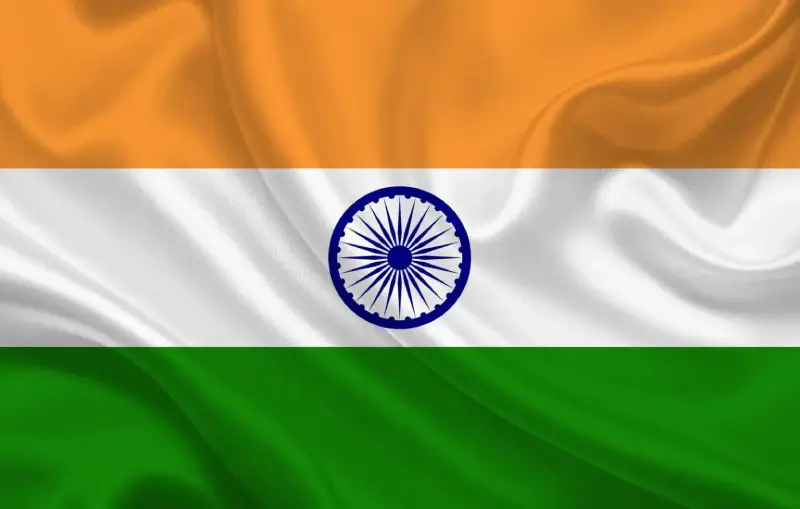
India’s national flag, widely recognized as the Tiranga, is far more than a combination of three horizontal colors. It symbolizes the nation’s freedom, unity, and identity. The flag pays tribute to the bravery, sacrifices, and strong determination of countless Indians who contributed significantly to the country’s struggle for independence.
Apart from its striking appearance, the Tiranga showcases India’s cultural richness, diverse heritage, and independent spirit. Through tirangaguids, this respected national emblem continues to preserve the memories of freedom fighters while encouraging feelings of patriotism, honor, and pride among Indians across the globe.
The History and Evolution of tirangaguids
The story of India’s national flag began many years before the country achieved independence. The present tricolour design was officially accepted by the Constituent Assembly on 22 July 1947, shortly before India became independent on 15 August 1947.
Still, the idea and development of the flag started during the early 1900s amid the freedom movement. Different early designs were created and carried by freedom fighters as signs of unity and resistance. With time, these versions were gradually improved, eventually leading to the national flag that Indians proudly honor today.
Through tirangaguids, the evolution of the flag highlights not only changes in design but also the rise of nationalism and the shared identity that shaped India’s journey toward independence.